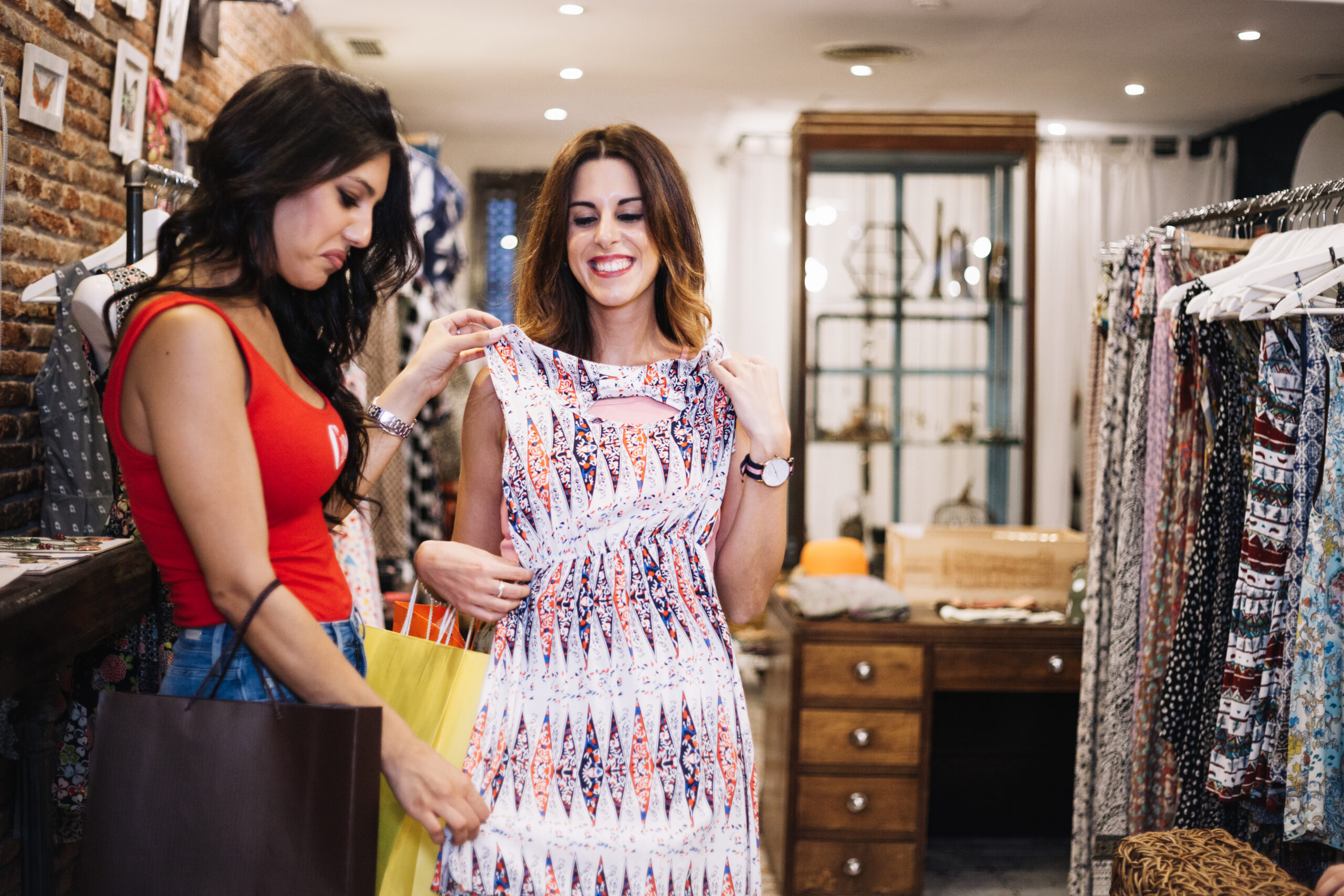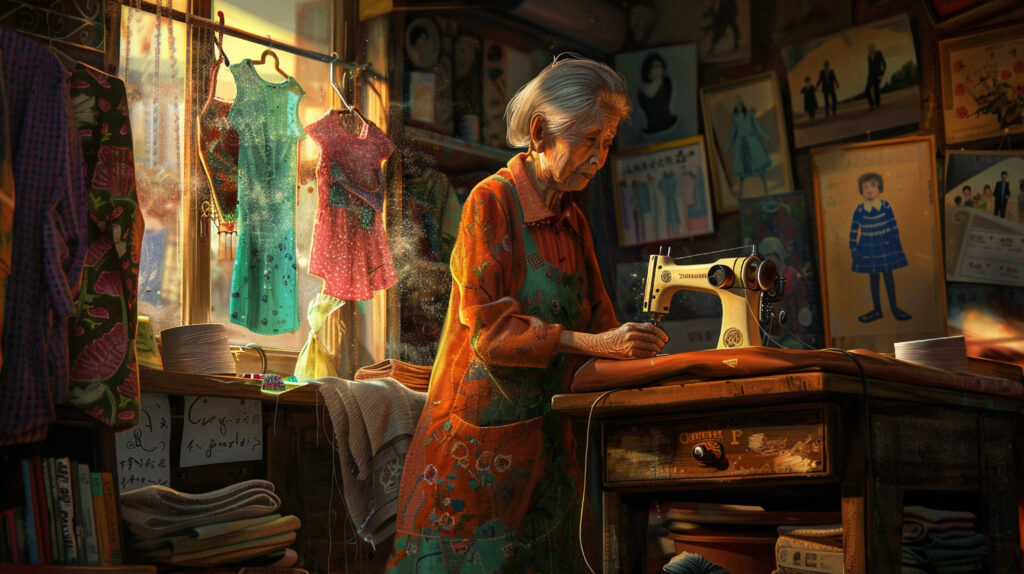
A clothing store is more than a retail space filled with garments—it is a reflection of culture, identity, creativity, and commerce. From small neighborhood shops to large fashion retailers in major cities, clothing stores play a vital role in shaping how people present themselves to the world. In today’s competitive retail environment, a successful clothing store must combine style, strategy, and customer experience to thrive.
The Purpose of a Clothing Store
At its core, a clothing store exists to meet one of humanity’s basic needs: clothing. However, in modern society, clothing serves purposes beyond protection and comfort. It communicates personality, profession, social status, and even beliefs. A clothing store, therefore, becomes a space where customers can explore and express their identities.
Whether the store specializes in casual wear, formal attire, street fashion, or luxury garments, its mission is to provide customers with options that suit their tastes and lifestyles. A well-organized clothing store makes it easy for shoppers to find items that match their preferences, body types, and budgets.
Types of Clothing Stores
Clothing stores come in many forms, each catering to different audiences. Department stores offer a wide range of brands under one roof, while boutique shops focus on curated, limited collections. Fast-fashion retailers provide affordable, trend-driven items, whereas luxury stores emphasize premium materials and exclusive designs.
For example, international retailers like Zara and H&M are known for delivering runway-inspired trends at accessible prices. On the other hand, luxury fashion houses such as Gucci focus on high-end craftsmanship and brand prestige.
Each type of clothing store has its own business model, pricing strategy, and target market. Understanding these differences is essential for anyone interested in starting or managing a clothing store.
Store Design and Layout
The design and layout of a clothing store significantly influence customer behavior. Visual appeal attracts customers, while thoughtful organization encourages them to stay longer and explore more products. Elements such as lighting, color schemes, music, and window displays all contribute to the store’s atmosphere.
A well-designed store guides customers naturally from one section to another. For example, new arrivals are often placed near the entrance to capture attention immediately. Accessories may be displayed near checkout counters to encourage impulse purchases.
Cleanliness and organization are equally important. Clothing should be neatly arranged by size, style, or color to make shopping convenient. Fitting rooms must be comfortable and well-lit, as they often determine whether a customer completes a purchase.
Customer Service and Experience
In the competitive world of retail, excellent customer service can set a clothing store apart from its competitors. Friendly and knowledgeable staff members create a welcoming environment and build trust with customers. When employees offer helpful styling advice or assist with sizing, customers are more likely to feel valued and satisfied.
Personalized service also increases customer loyalty. Remembering a customer’s preferences or notifying them about new arrivals can turn occasional shoppers into regular clients. In smaller stores, this personal connection often becomes a key strength.
Additionally, efficient checkout processes and flexible return policies contribute to a positive shopping experience. Customers appreciate convenience and transparency when making purchasing decisions.
The Role of Branding
Brand identity plays a crucial role in the success of a clothing store. A strong brand communicates the store’s values, style, and target audience. Everything—from the logo and packaging to social media presence—should reflect a consistent image.
For instance, a store targeting young adults might use bold colors and trendy marketing campaigns, while a store specializing in professional attire may adopt a more refined and elegant approach. Clear branding helps customers understand what the store represents and whether it aligns with their personal style.
Marketing strategies such as social media advertising, influencer collaborations, and seasonal promotions further strengthen brand visibility. Digital platforms allow clothing stores to reach a broader audience beyond their physical location.
Online Clothing Stores and E-Commerce
The rise of e-commerce has transformed the clothing industry. Online stores allow customers to shop from the comfort of their homes, compare prices easily, and access a wider variety of products. Many traditional clothing stores have adapted by launching websites and mobile applications.
E-commerce platforms such as Amazon have changed consumer expectations regarding speed and convenience. Customers now expect fast shipping, easy returns, and secure payment options.
To compete, clothing stores must invest in high-quality product photography, accurate size guides, and detailed descriptions. Online customer reviews also influence purchasing decisions, making reputation management increasingly important.
Hybrid retail models—combining physical stores with online platforms—are becoming the norm. Customers may browse online and pick up items in-store or return online purchases at physical locations. This integration enhances flexibility and customer satisfaction.
Challenges in the Clothing Retail Industry
clothing store running a clothing store is not without challenges. One of the biggest issues is staying up to date with rapidly changing fashion trends. What is popular today may become outdated within months. Store owners must carefully plan inventory to avoid unsold stock.
Economic fluctuations also impact consumer spending. During financial downturns, customers may prioritize essential purchases over fashion items. Additionally, competition from both local and international retailers can reduce profit margins.
Another challenge is sustainability. The fashion industry has faced criticism for its environmental impact, particularly regarding fast fashion. Clothing stores must consider eco-friendly practices such as reducing waste, sourcing sustainable materials, and promoting ethical labor conditions.
Sustainability and Ethical Practices
As awareness of environmental and social issues grows, many clothing stores are adopting sustainable practices. This shift includes offering garments made from organic fabrics, reducing plastic packaging, and partnering with ethical suppliers.
Some stores encourage customers to recycle old clothing or participate in resale programs. By promoting conscious consumption, clothing stores can appeal to environmentally aware shoppers and build long-term trust.
Sustainability is no longer just a trend—it is becoming a responsibility. Stores that embrace transparency and ethical standards are more likely to gain customer loyalty in the long run.
The Future of Clothing Stores
The future of clothing stores will likely be shaped by technology, sustainability, and personalization. Innovations such as virtual fitting rooms, artificial intelligence-driven recommendations, and contactless payments are already transforming the shopping experience.
Physical stores may evolve into experiential spaces where customers can attend styling workshops, fashion shows, or community events. Rather than focusing solely on transactions, clothing stores may emphasize engagement and lifestyle branding.
Despite the growth of online shopping, physical stores remain valuable. Many customers still prefer trying on clothes, feeling fabrics, and receiving in-person assistance before making purchases. The key to future success lies in balancing digital convenience with human connection.
Conclusion
A clothing store is far more than a commercial establishment—it is a place where fashion, business, and personal identity intersect. From store design and branding to customer service and sustainability, every aspect contributes to its overall success.
In an industry driven by change and creativity, clothing stores must remain adaptable and innovative. By understanding customer needs, embracing technology, and promoting ethical practices, they can thrive in an increasingly competitive market.
Ultimately, a successful clothing store does not simply sell garments. It provides confidence, inspiration, and the opportunity for individuals to express themselves through style.